DJI Unveils Mavic 3 Enterprise: RTK Survey Precision in a Backpack-Sized Drone

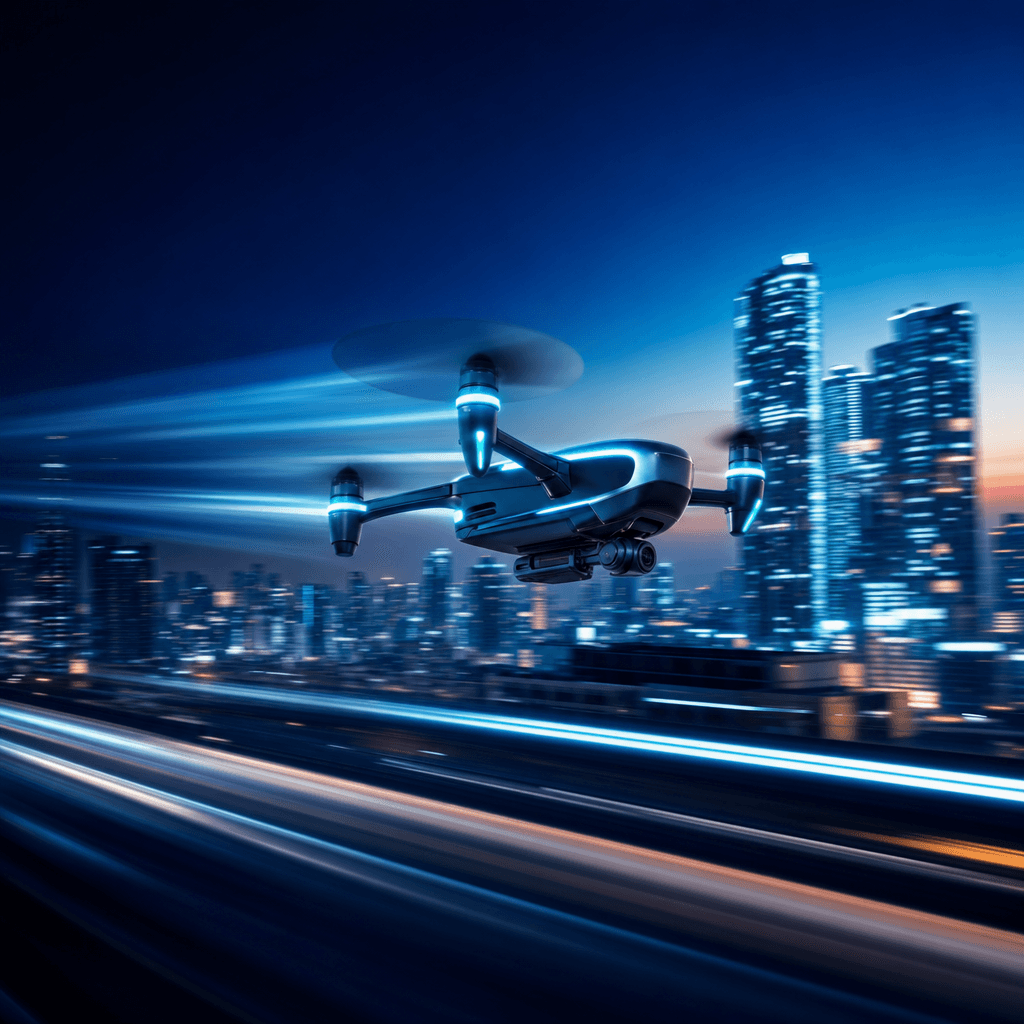
DJI has launched the Mavic 3 Enterprise series, comprising two models: the Mavic 3E for mapping and surveying, and the Mavic 3T with a thermal camera. The compact, foldable drone brings RTK-standard mapping precision to a backpack-sized airframe for the first time, an alternative to DJI's larger, pricier Matrice platform.
Can a Folding Airframe Deliver Industrial-Grade Precision?
The Mavic 3E is built for land surveying and mapping companies. It runs on a camera with a 4/3-inch CMOS sensor and 20-megapixel resolution, but its headline feature is an optional RTK module that delivers centimeter-level positioning accuracy without requiring ground control points. That's precisely the kind of capability once reserved for much larger, more cumbersome survey platforms.
- Sensor: 4/3-inch CMOS, 20 megapixels, wide-angle lens
- Shutter: Mechanical, to prevent motion blur during in-flight capture
- Mapping capture rate: up to one photo every 0.7 seconds
- Maximum survey area per single flight: up to 2 square kilometers, per DJI's rating
- Maximum flight time: 45 minutes
- Positioning accuracy: centimeter-level with optional RTK module
The Thermal Twin Built for Command Centers and Search Operations?
The second model in the series, the Mavic 3T, swaps the mapping camera for a thermal camera, alongside a standard visual camera with 56x hybrid zoom. Both feeds, thermal and visual, appear side by side on the controller screen in real time. For firefighting crews, search-and-rescue teams, or infrastructure inspectors, this allows cross-referencing a heat signature against a visual image without switching between two devices or two screens.
- Thermal camera: detects heat sources in fires, missing-person searches, and infrastructure inspections
- Standard visual camera: 56x hybrid zoom
- Display: both feeds shown side by side on the controller screen, in real time
Why Is DJI Moving Away From Matrice for This Project?
DJI's decision to pack precise RTK capabilities into a folding, backpack-sized airframe rather than its larger Matrice platform is no accident. Many small survey companies and local government teams simply can't justify the cost and weight of a professional Matrice 300-class system. The Mavic 3 Enterprise series was designed to fill exactly that gap: professional-grade positioning and measurement accuracy in a more economically and logistically accessible package.
A practical question remains: how many field teams will actually migrate from existing Matrice platforms to a lighter, foldable drone, and what compromises in sensor power or mechanical durability they're willing to accept in exchange for portability. In a market where survey companies scrutinize every dollar of operating cost, the answer will come from the field, not from the spec sheet.
Isradrone Editorial Team
The Isradrone team covers drone technology, defense, mapping, agriculture and logistics innovation from around the world. Original, research-based reporting verified for the Israeli market.
Related Stories

XAG Unveils Self-Charging, Self-Refilling Agricultural Drone System
Chinese firm XAG has unveiled a new agricultural spraying system in which the drone recharges itself and refills pesticide with no human involvement, a response to new Chinese regulations that burden heavier drones.

ZenaTech Closes Acquisition Number 26, Building a Drone-Based Surveying Conglomerate
Canadian drone company ZenaTech has acquired another surveying firm, this time in Ohio, expanding its footprint to 12 US states as revenue jumps 640% year over year on the back of an aggressive acquisition strategy.

CHCNAV Unveils LiDAR Sensor That Scans Mountains From 2,100 Meters Away
CHC Navigation has introduced the AlphaAir 6, an airborne LiDAR sensor built for survey drones operating in mountainous terrain, offering a scanning range of up to 2,100 meters and flight altitudes far above the industry norm.

DJI's Surprise: Not a New Drone, But a Rescue Parachute for the Matrice 400
A week of speculation about a Matrice 30 successor ended with a far more modest product: an emergency parachute system built for the Matrice 400. The choice may hide a regulatory calculation as weighty as any engineering one.