Exposed: Mossad Smuggled Hundreds of Drones Into Iran Ahead of Operation "Rising Lion"

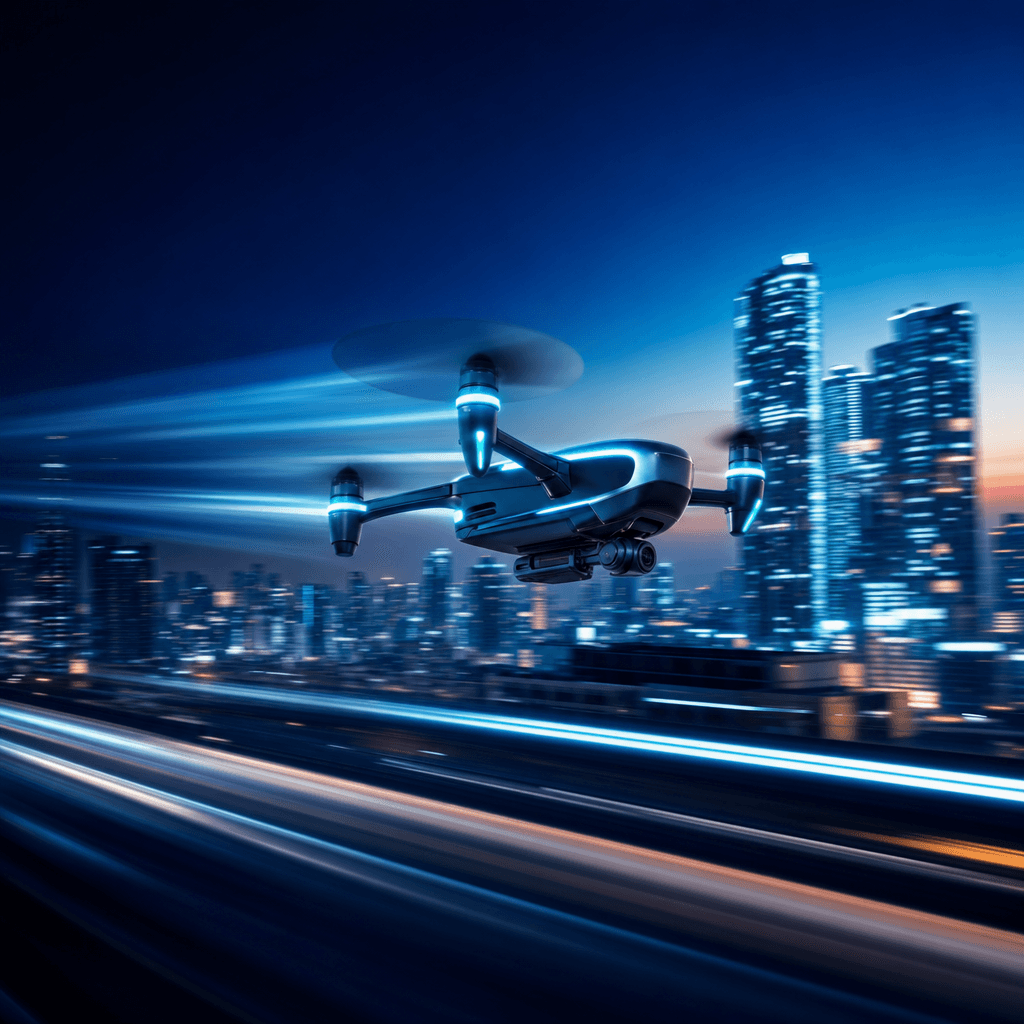
For months, and according to some reports possibly even longer, the Mossad smuggled components for hundreds of small quadcopter drones into Iran ahead of the launch of Operation Rising Lion on June 13, 2025. The drones were assembled at a covert base inside Iran and were used against missile launchers, radar systems and air-defense batteries, in coordination with more than 200 Israeli fighter jets that dropped over 330 munitions on roughly 100 targets in the operation's opening hours.
A quiet smuggling operation that lasted for months
According to reports that have emerged, the drone-component smuggling effort was not a one-off action but a prolonged campaign lasting many months, and according to some sources, even longer. The components did not enter Iran as complete systems but as individual parts, smuggled through channels that appeared to be legitimate commercial trade.
- Smuggling methods: suitcases, trucks and cargo containers
- Assembly site: a covert drone base inside Iranian territory
- Deployment locations: near air-defense installations and missile launch sites
- Activation date: June 13, 2025, the start of Operation Rising Lion
The immediate implication is that once the order to strike was given, there was no need to fly any drone in from an external border or a neighboring country. The weapon was already there, waiting.
Lethal timing against Iranian batteries and launchers
When the operation began, the pre-positioned drones took off from within Iranian territory itself and struck critical targets simultaneously with the first wave of airstrikes. This kind of timing demands a high degree of synchronization between covert forces on the ground and operational command in Israel, and raises questions about the scale of intelligence infrastructure required to maintain such secrecy for so long inside hostile territory.
- Drone targets: missile launchers, radar systems and air-defense batteries
- Scale of the air wave: more than 200 Israeli fighter jets
- Munitions used: more than 330 payloads
- Number of targets: roughly 100 sites across Iran in the opening hours alone
Is this a new model of warfare?
In many ways, the Israeli operation recalls Ukraine's earlier Spiderweb operation from 2025, in which 117 drones smuggled into Russia were used to strike the strategic bomber fleet in Moscow. Despite the geopolitical differences, both cases reveal a similar pattern: the weapon isn't flown in from a distance but assembled and launched from deep within enemy territory, rendering traditional air-defense methods far less relevant against a threat that's already inside.
Operationally, such a model requires a patient and intricate logistical infrastructure, and it raises an immediate question: how long can such infrastructure remain hidden before it's exposed, and how many other countries are already trying to replicate the method. For Israel, this stands as further evidence of the long-term planning capability of its intelligence services, which managed to maintain absolute secrecy over an operation lasting months inside hostile territory, an operational achievement whose significance is hard to overstate.
Isradrone Editorial Team
The Isradrone team covers drone technology, defense, mapping, agriculture and logistics innovation from around the world. Original, research-based reporting verified for the Israeli market.
Related Stories

Nets, Lasers and Shotguns: How the IDF Is Building a Wall Against Hezbollah's Drones
The IDF is rolling out a multi-layered defense against Hezbollah's FPV drones, combining nets and smoke with lasers, microwave weapons and pump-action shotguns, while shifting from frequency detection to AI-powered optical sensing.

IDF Launches Local FPV Drone Factory: 1,000 Attack Drones a Month by July 2026
The IDF's Technology and Logistics Directorate is setting up a domestic production line for FPV attack drones, a direct response to Hezbollah's growing use of similar weapons against Israeli forces in southern Lebanon.

50,000 Autonomous FPV Drones from Auterion and Skyfall Headed to Ukrainian Front
American defense company Auterion and Ukrainian manufacturer Skyfall have signed a deal to supply 50,000 FPV drones equipped with autonomy software for striking moving targets, double the size of the company's previous contract.

Drone Licensing in Israel: The Complete Guide to Permits, Registration, and Flight Coordination
Everything you need to know before flying a drone in Israel: the weight tiers that determine which license you need, the critical difference between a pilot license and a commercial operating permit, and why every commercial flight here requires daily coordination with flight intelligence.