Skydio and EVERYWHERE Launch Autonomous Drone the Instant a Lone Worker Hits SOS

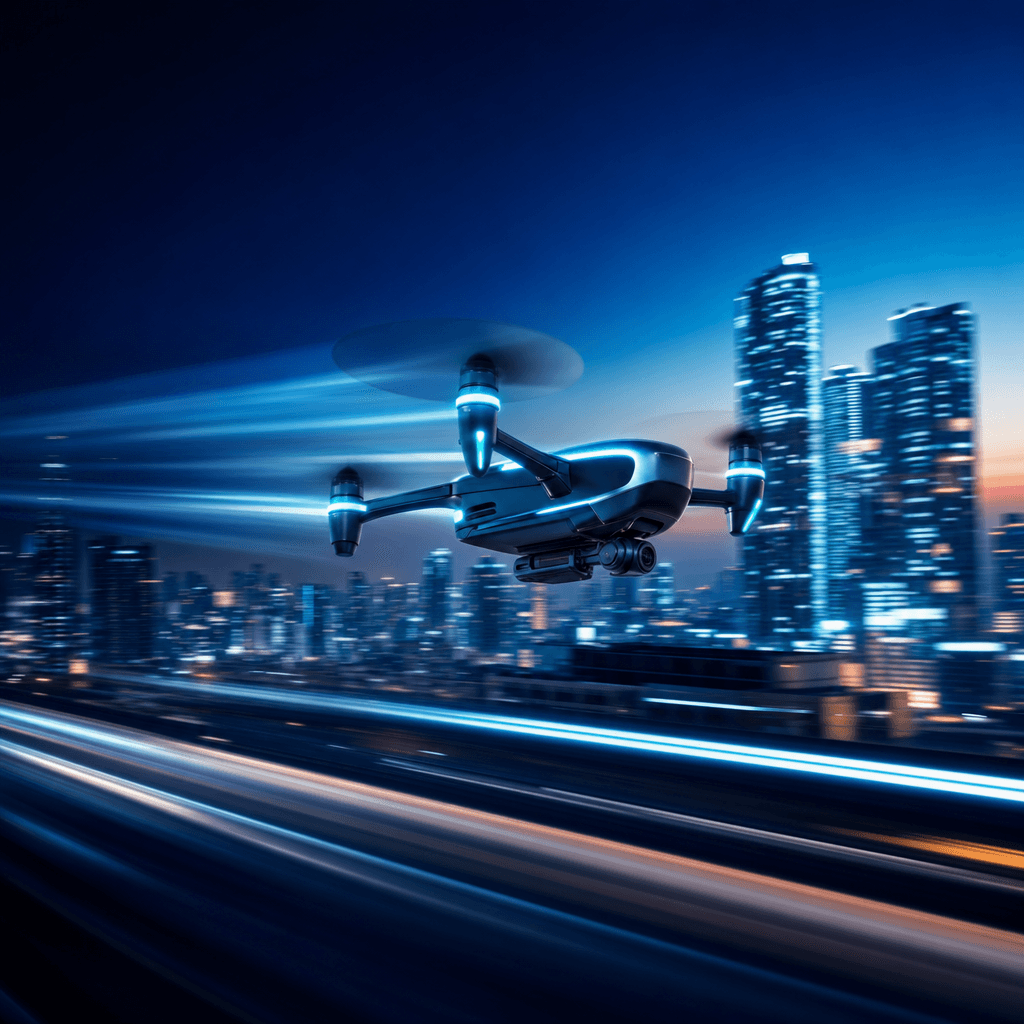
EVERYWHERE Communications announced on July 16, 2026 an integration with Skydio that allows an autonomous drone to launch itself immediately toward the exact location of a lone worker who has pressed an SOS button. The capability is currently being tested in a real-world pilot program for lone worker safety, ahead of a planned expansion to additional triggers such as geofence breaches and missed check-ins.
From Response Drone to a Drone That Arrives Before the Person
The idea behind the integration is fairly straightforward, if only because it solves a problem familiar to anyone managing a distributed, isolated workforce: what happens during the gap between the moment someone presses a distress button and the moment human help actually arrives. Instead of waiting for a security patrol or a rescue team to travel from afar, the combined system triggers a drone that takes off on its own and physically reaches the scene, giving supervisors a live picture of the situation before any human sets foot on the ground.
Technically, the event chain runs through two software layers: EVERYWHERE's monitoring platform, which handles the SOS alert from the lone worker, and Skydio's autonomous dispatch system, which receives the coordinates and sends the drone into the air without a human operator in the loop.
- Announcement date: July 16, 2026
- Initial trigger: SOS button activation by a lone worker
- Automatic response: Skydio drone dispatched to the exact location in real time
- Parties notified immediately: supervisors and dispatch centers
- Current stage: field pilot program in lone worker safety
- Planned future triggers: geofence breaches and missed periodic check-ins
Who Is This Actually For?
Lone worker safety systems are common in industries such as mining, energy, field services, and infrastructure maintenance, where staff frequently operate alone at remote sites without direct visual contact with colleagues. Pairing this with an autonomous drone turns the process from a mere phone alert into an aerial presence that provides immediate visual documentation, potentially shortening decision-making time for dispatch centers during real emergencies.
What Questions Remain Before Wider Rollout?
Beyond the potential, this is still only a pilot stage, not a full commercial deployment. Autonomously launching an aircraft in response to an urgent event raises operational questions that marketing announcements don't always address: what is the actual response time from the moment the button is pressed to the drone's arrival on site, how does the system handle weather conditions or dense urban areas where autonomous flight is regulatorily restricted, and what happens when there are multiple simultaneous SOS events at one site. The question of regulatory approvals for autonomous beyond visual line of sight (BVLOS) flight is also relevant to any future commercial deployment, especially when it involves responding to a genuine emergency rather than a controlled demonstration.
Expanding the framework to additional triggers such as geofence breaches or missed check-ins depends on the results of the current pilot. If the model proves itself in the field, there is real potential for autonomous drones to become a standard component of industrial safety programs, alongside existing cameras and distress devices, rather than a full replacement for human response.
Isradrone Editorial Team
The Isradrone team covers drone technology, defense, mapping, agriculture and logistics innovation from around the world. Original, research-based reporting verified for the Israeli market.
Related Stories

XAG Unveils Self-Charging, Self-Refilling Agricultural Drone System
Chinese firm XAG has unveiled a new agricultural spraying system in which the drone recharges itself and refills pesticide with no human involvement, a response to new Chinese regulations that burden heavier drones.

CHCNAV Unveils LiDAR Sensor That Scans Mountains From 2,100 Meters Away
CHC Navigation has introduced the AlphaAir 6, an airborne LiDAR sensor built for survey drones operating in mountainous terrain, offering a scanning range of up to 2,100 meters and flight altitudes far above the industry norm.

Drone Licensing in Israel: The Complete Guide to Permits, Registration, and Flight Coordination
Everything you need to know before flying a drone in Israel: the weight tiers that determine which license you need, the critical difference between a pilot license and a commercial operating permit, and why every commercial flight here requires daily coordination with flight intelligence.

DJI's Surprise: Not a New Drone, But a Rescue Parachute for the Matrice 400
A week of speculation about a Matrice 30 successor ended with a far more modest product: an emergency parachute system built for the Matrice 400. The choice may hide a regulatory calculation as weighty as any engineering one.