XAG Unveils Self-Charging, Self-Refilling Agricultural Drone System

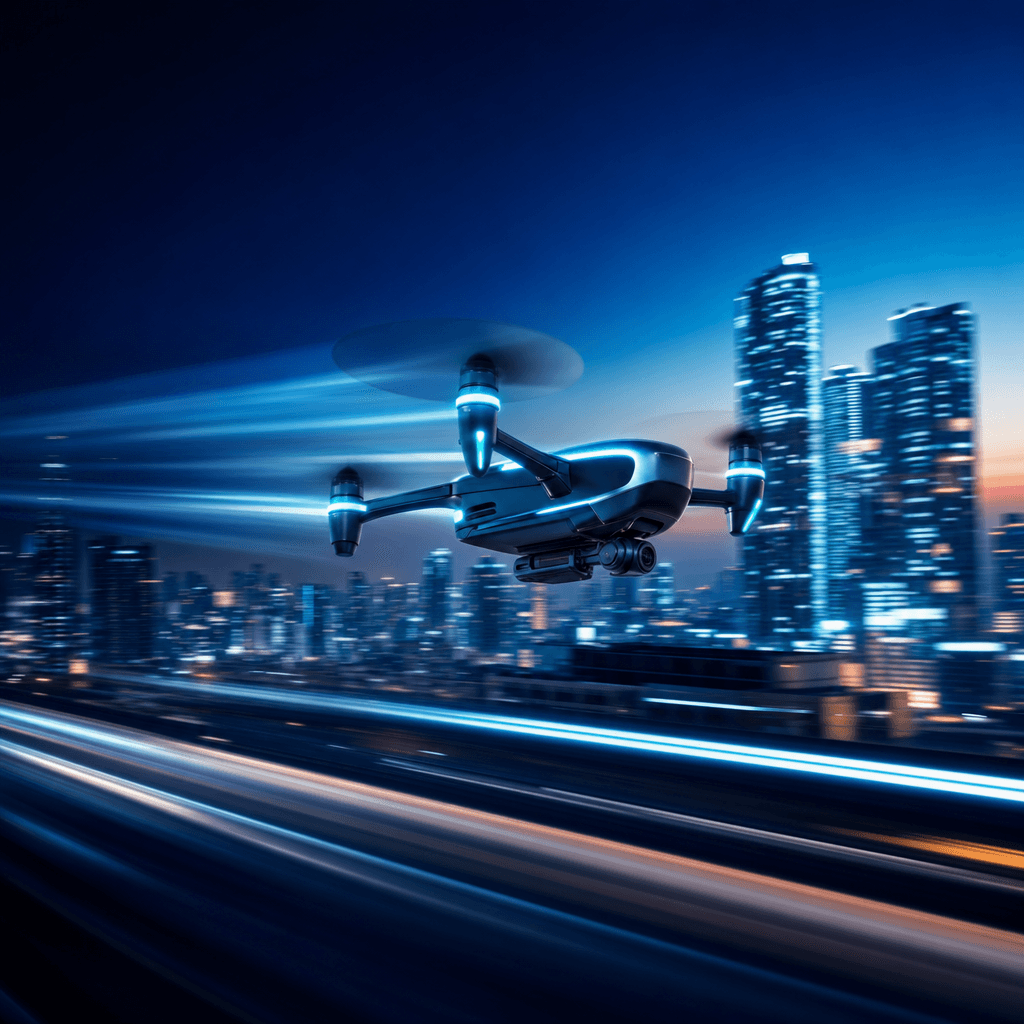
Chinese agricultural drone maker XAG unveiled a new system on July 6, 2026, at its Agricultural Robotics Conference in Guangzhou, called the X Series: a spraying drone, a docking station named XA1, and a smart chemical mixing and filling station named LM1, alongside an autonomous lawnmower called RM80. The system lets the drone fly, spray, return to recharge and refill pesticide, and head out again for another round, with almost no human contact.
From spraying drone to closed production cell
XAG is branding the move as the third generation in the evolution of the agricultural drone. Under the company's own framework, the first generation relied on a human pilot operating the drone remotely, the second brought autonomous flight and spraying, and the third extends automation to the support tasks around the flight itself: recharging, mixing compounds, filling the spray tank, and cleaning the system. In practice, this marks a shift from a field where the drone is the standalone product to a concept of a closed production cell, where the drone is just one link in an automated chain.
The system's three main components break down as follows:
- X Series drone: the spraying tool itself, carrying out repeated spraying runs in the field
- XA1 docking station: independently recharges the drone between flights
- LM1 unit: automatically mixes and fills pesticide with no human contact
- RM80 autonomous lawnmower: a companion product unveiled at the same event
What regulatory ceiling pushed this development?
Behind the move also lies an explicit regulatory constraint. China updated its regulations for unmanned aircraft in a way that requires agricultural drones with a maximum takeoff weight above 150 kilograms to obtain a special operating license. The upshot: manufacturers looking to compete simply by enlarging spray tanks and payload capacity are now hitting a bureaucratic wall. XAG argues that the natural response is to shift the competition from physical volume to autonomy and operational sophistication, in other words, instead of a bigger drone, a drone that works more hours a day on its own.
The broader industry reading of this move touches on the chronic shortage of agricultural labor affecting many farms across Asia and beyond. A system that manages itself from recharging to chemical filling reduces dependence on a human worker standing by the field for every flight cycle, enabling more continuous operation, including at night or in conditions where available labor is hard to find.
Is a sister product already approved in the US?
A related product in the XAG family, the P150 Max model, has already received FCC approval and is sold in the United States through the company's authorized distributor network. That shows the company has already covered part of the regulatory ground outside its home market, which could shorten timelines if and when it seeks to bring the new X Series system to Western markets as well. It remains unclear if and when the full system, including the docking and filling stations, will be submitted for testing or approval to regulators outside China.
The pragmatic question that remains open is as much economic as technological. A three-part system comprising a drone, a docking station, and a chemical mixing station carries significantly higher purchase and maintenance costs than a single spraying drone. Small and medium-sized farms may struggle to justify the upfront investment, even if the long-term operational savings look convincing on paper.
Isradrone Editorial Team
The Isradrone team covers drone technology, defense, mapping, agriculture and logistics innovation from around the world. Original, research-based reporting verified for the Israeli market.
Related Stories

DJI Unveils the Agras T55 and T100: A Leap in Agricultural Spraying Payload
DJI has unveiled the Agras T55 and T100, two new spraying and pest-control drone systems that push payload capacity in the agricultural drone market to industrial-grade levels, building on a global installed base of over 600,000 units.

CHCNAV Unveils LiDAR Sensor That Scans Mountains From 2,100 Meters Away
CHC Navigation has introduced the AlphaAir 6, an airborne LiDAR sensor built for survey drones operating in mountainous terrain, offering a scanning range of up to 2,100 meters and flight altitudes far above the industry norm.

DJI's Surprise: Not a New Drone, But a Rescue Parachute for the Matrice 400
A week of speculation about a Matrice 30 successor ended with a far more modest product: an emergency parachute system built for the Matrice 400. The choice may hide a regulatory calculation as weighty as any engineering one.

Skydio and EVERYWHERE Launch Autonomous Drone the Instant a Lone Worker Hits SOS
EVERYWHERE Communications and Skydio have announced an integration that instantly dispatches an autonomous drone to a lone worker who triggers an SOS alert, with the capability now being tested in a real-world pilot program.